News & Resources
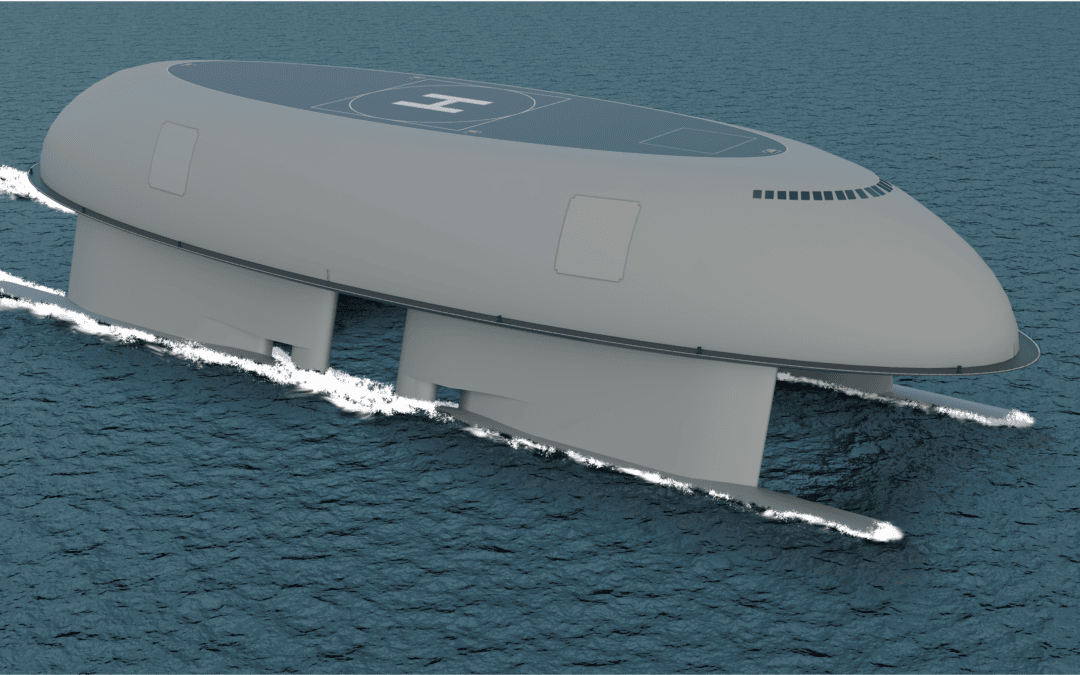
Optimal Transit Unveils Kraaken™: The World’s First Self-Powered Maritime AI Infrastructure Platform
Click here to read the full BusinesWire articleStandardized 10 MW to 100 MW offshore AI data centers eliminate dependence on land, the electrical grid, freshwater cooling, and conventional fuel while dramatically reducing infrastructure cost and deployment time. BEAUFORT, S.C. – July 7, 2026 – Optimal Transit today...
More Recent Articles
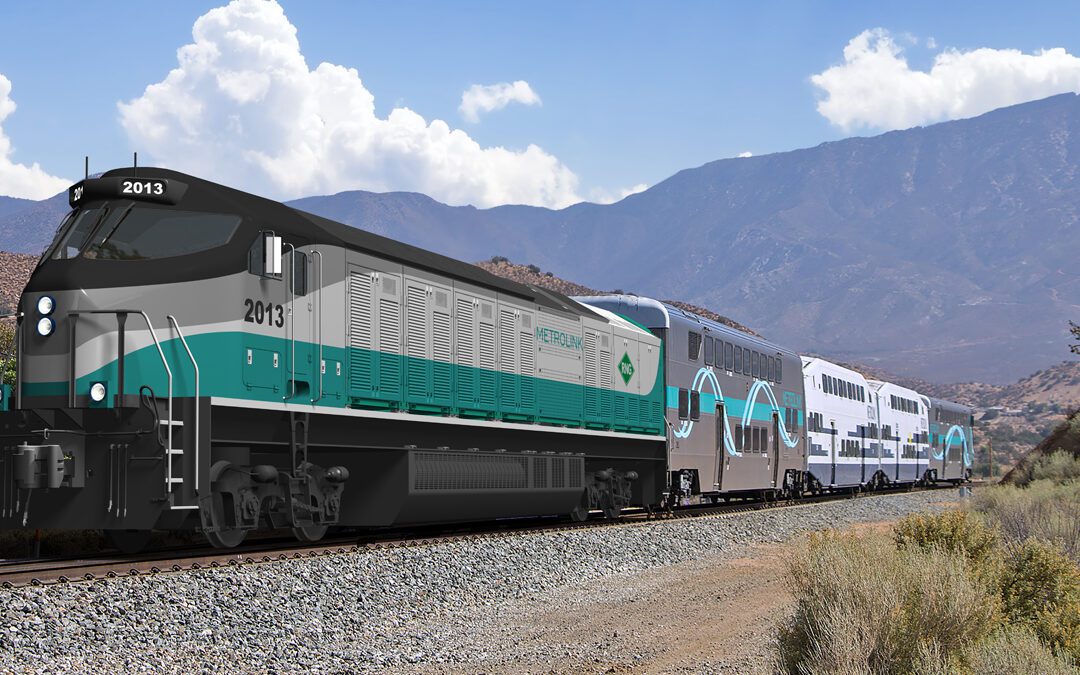
OptiFuel Systems Statement: Debunking Greenwashing in CARB’s Recent “Zero Emission Train Feasibility” Analysis: Why In-Use Locomotive Regulations May Derail Quickly
Read Press Release on Business Wire ›BEAUFORT, S.C.--(BUSINESS WIRE)--The following is a statement provided by Scott Myers, President & CEO, OptiFuel Systems. The...
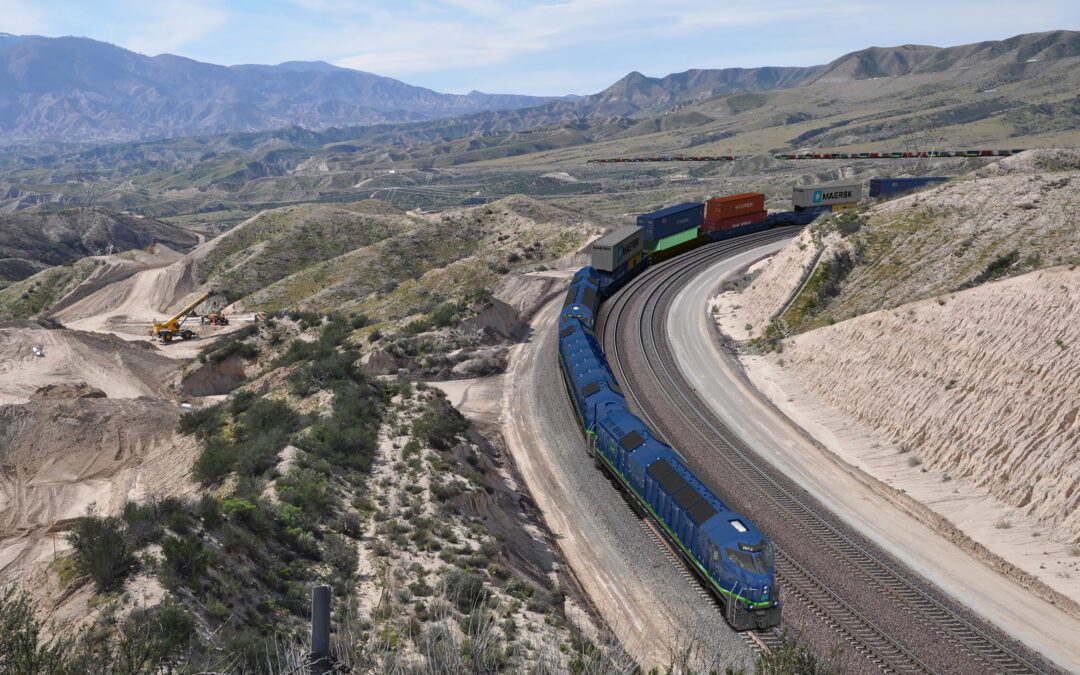
Debunking Greenwashing in CARB’s Recent “Zero Emission Train Feasibility” Analysis: Why In-Use Locomotive Regulations May Derail Quickly
Read Article on LinkedIn ›Why Would CARB Create a New Locomotive Regulation That Eliminates Any Solutions That Are Available Now and Only Allow Solutions That Will Have a...
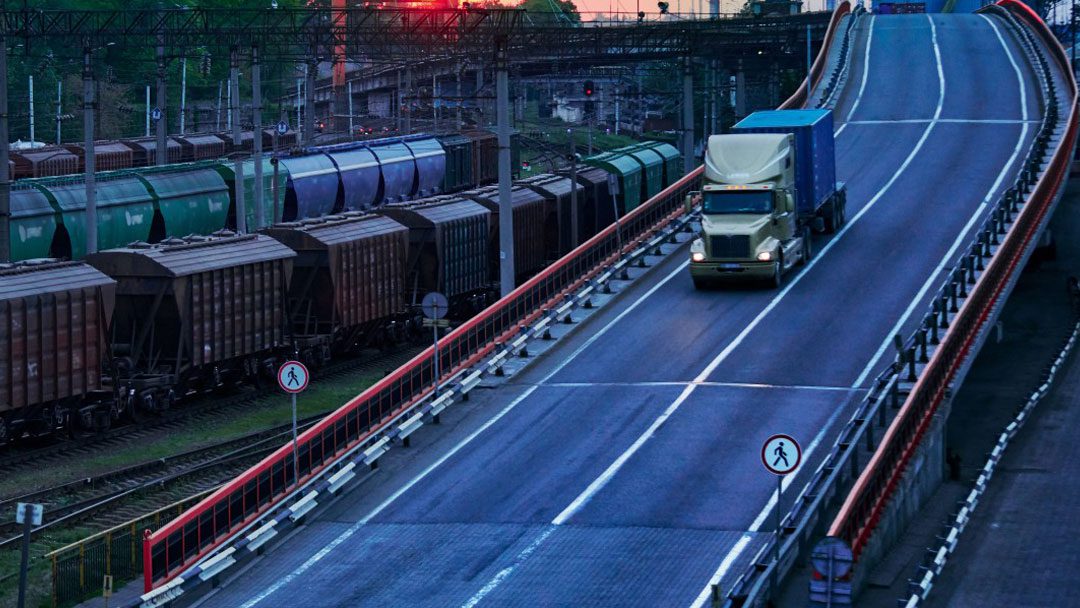
Rail Industry’s Path to Zero Emissions: Lessons from the Trucking Sector
The quest for zero-emission technologies in the rail industry has reached a critical juncture. Without a committed effort to replace end-of-life fleet assets with a...
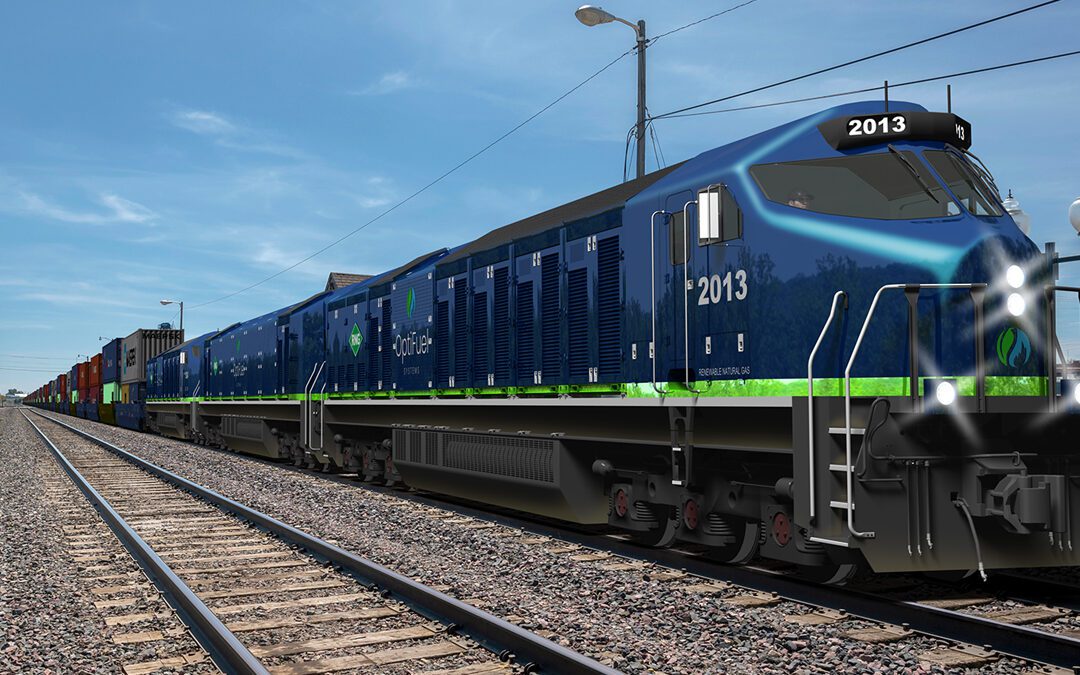
Zero Emission Line Haul Locomotives for $1.1 Million? OptiFuel Puts Renewable Fuel Credits to Smart Use for the Benefit of US Railroads
OptiFuel Drives Affordability With its Pioneering Locomotive-as-a-Service (LAAS™) Program. Utilizing EPA RIN Credits to Offset Key Energy Transition Costs, Railroads Could Acquire a NEW Total-Zero™ 5,600 hp RNG Hybrid Line Haul Locomotive for as Little as $1.1 Million With No Additional Cost for Refueling Infrastructure.
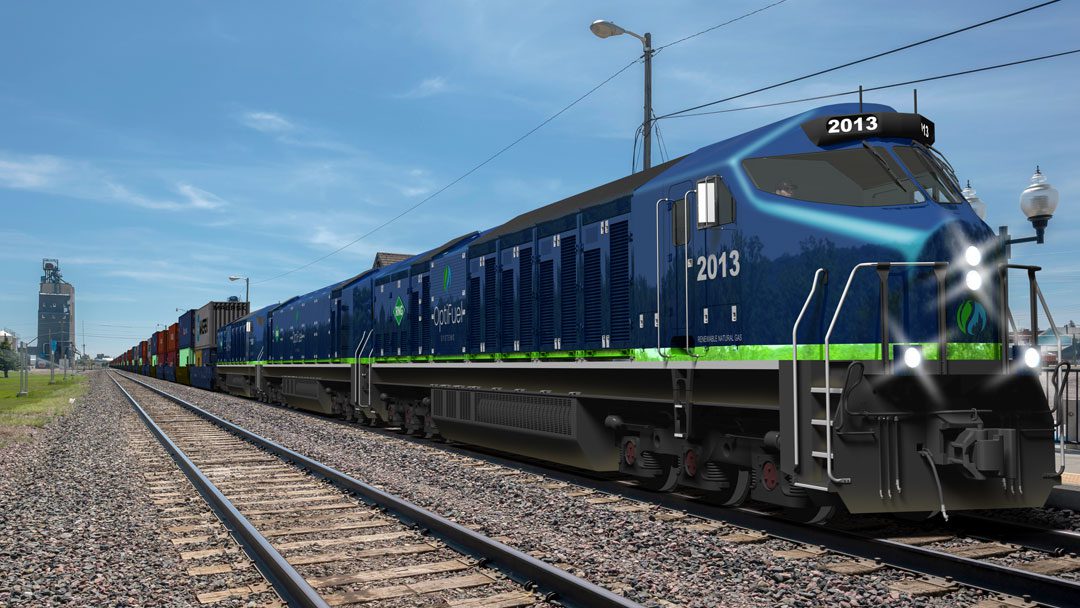
A Better, Affordable, Low Risk Approach Using Existing Technology Instead of CARB’s In-Use Locomotive Regulation, Which Will Hinder Progress
OptiFuel’s Total-Zero™ 5,600 hp RNG Hybrid Line Haul Locomotive and 11,800 DGE RNG Tender Will Have FRA Concurrence by 2027 and Completion of Million Mile Testing by 2028,...